

Contact Now
Quality Assurance
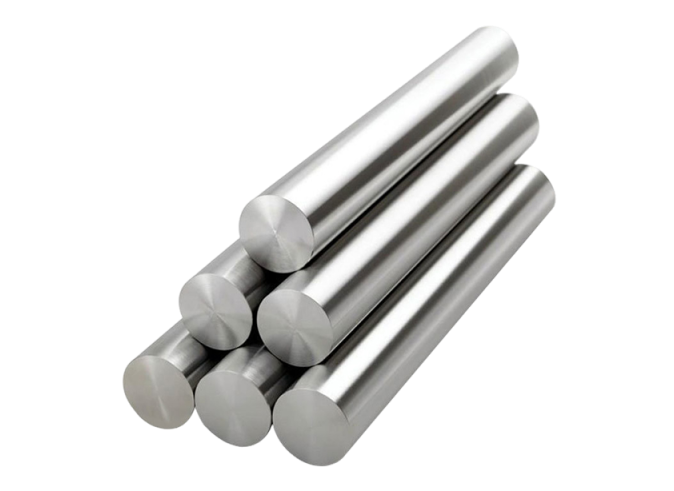
Production Process Inspection
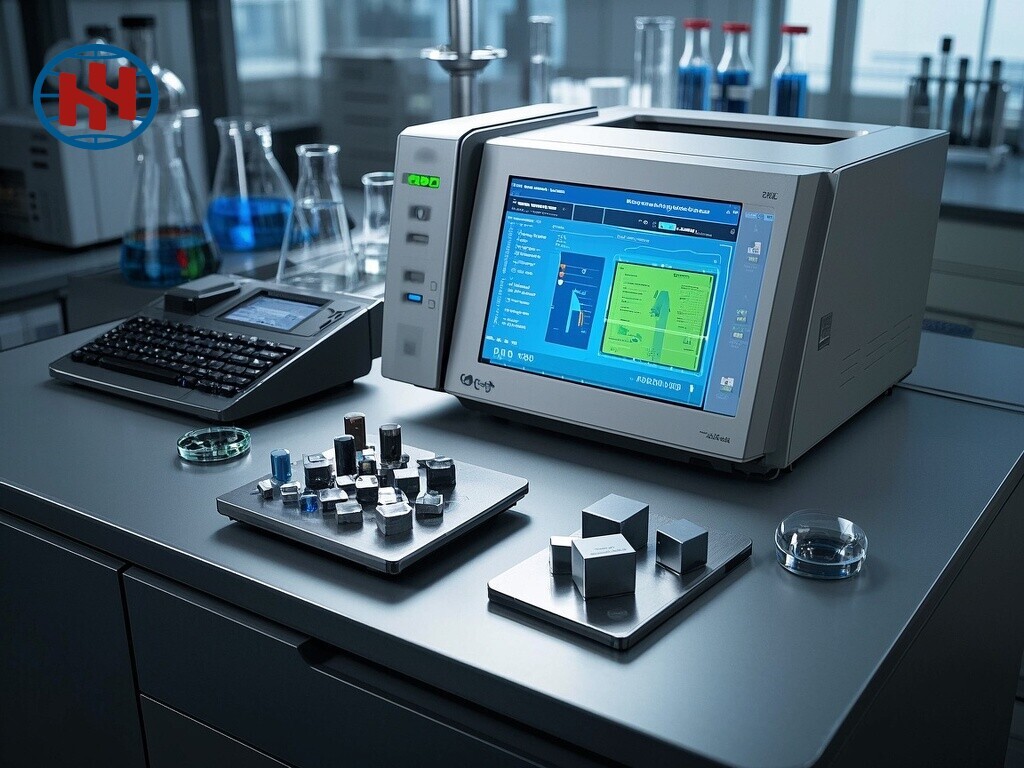
 Chemical composition analysisChemical composition analysis is a method to determine the chemical composition of metal materials. It is used to determine the content and purity of specific elements contained in the materials, providing a basis for the research and development, production and application of the materials. Chemical analysis and instrumental analysis methods (such as spectral analysis, chromatography and mass spectrometry) are usually used.
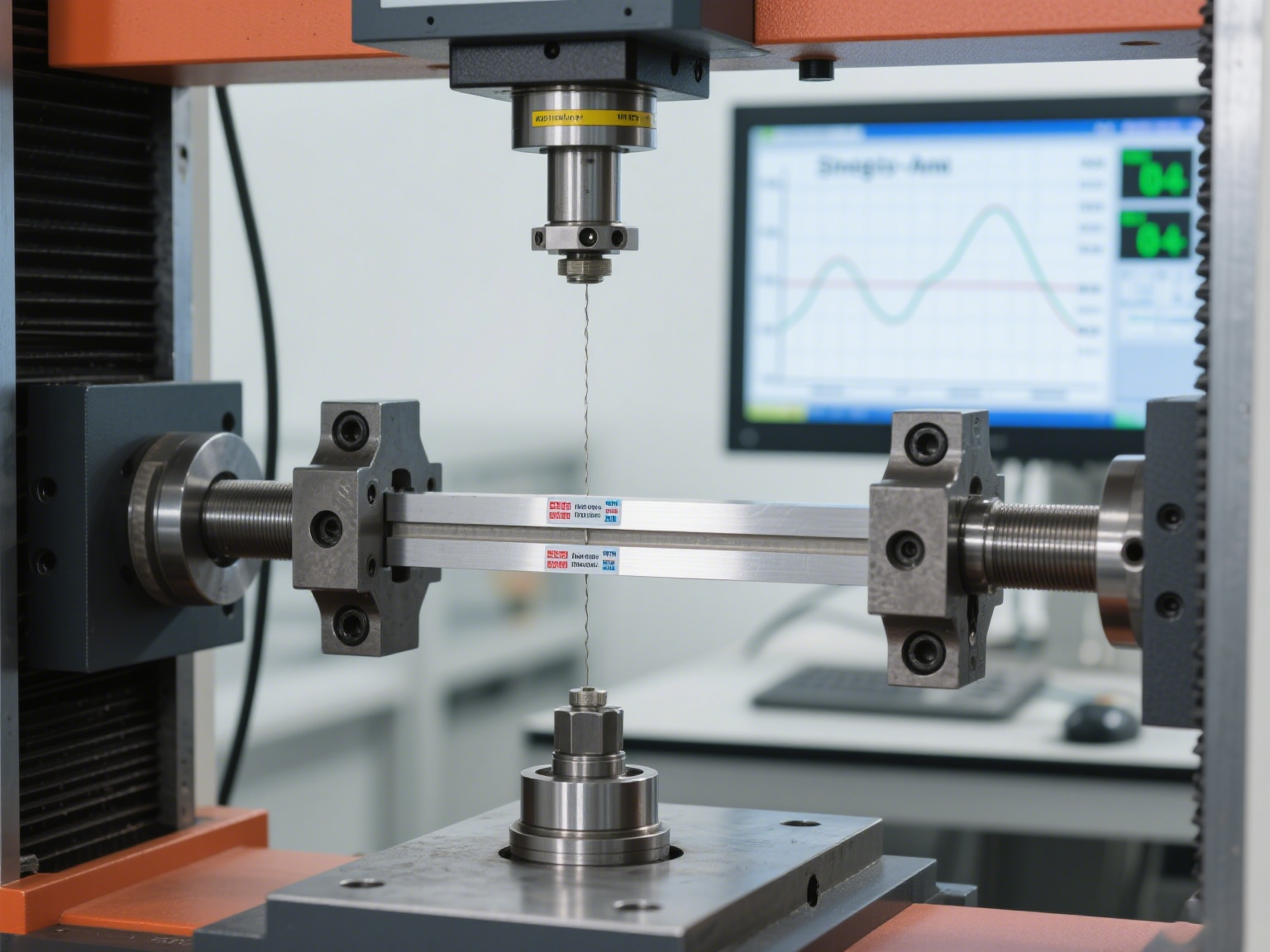
- Tensile testMechanical properties tensile test is a test method to determine the mechanical properties of materials under tensile load, including strength index, plasticity index and elastic performance, etc. It is used to evaluate the material's ability to resist external damage, plastic deformation ability and the relationship between stress and strain within the elastic range, providing a basis for material research and development, quality control and engineering design.
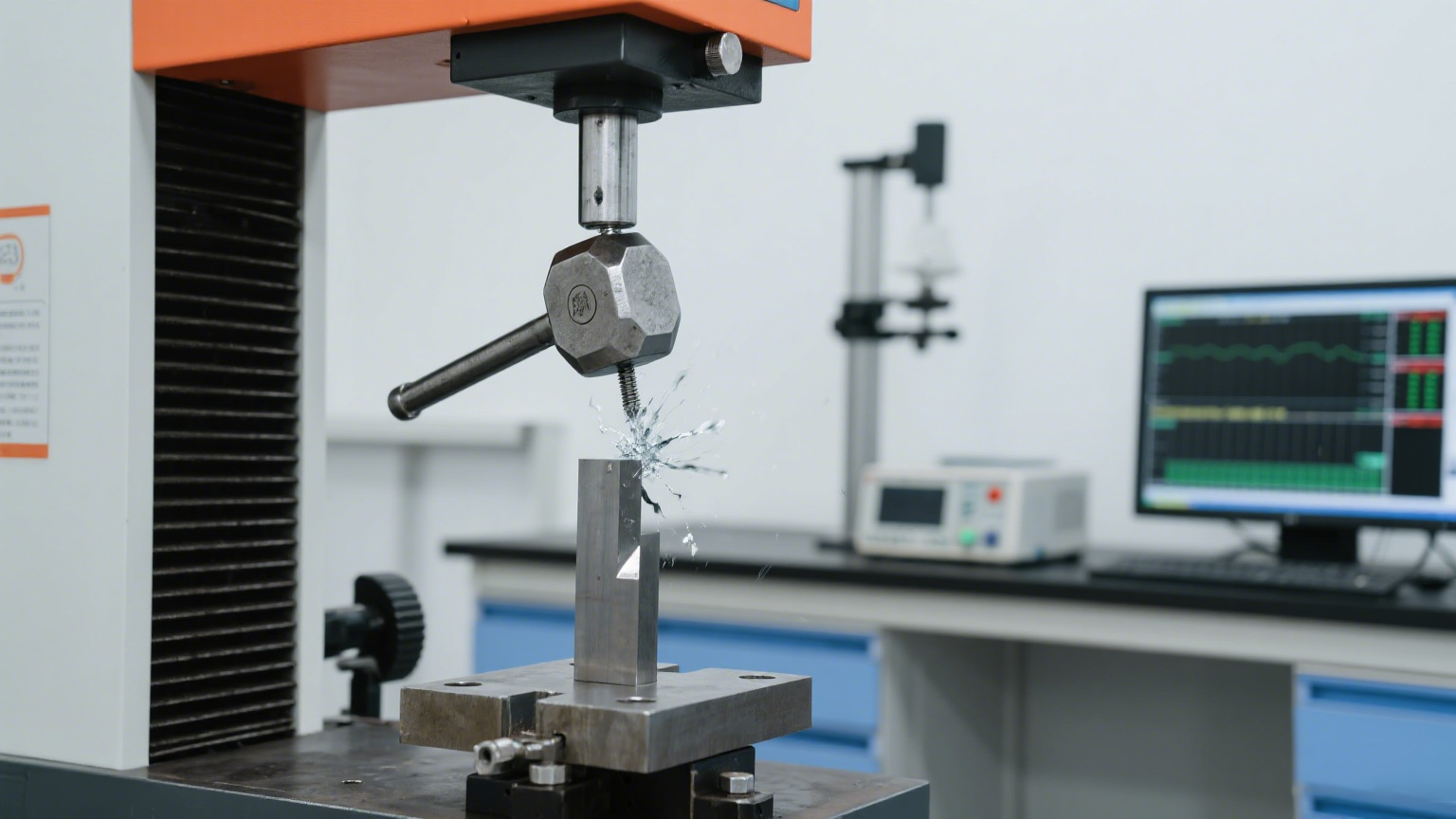
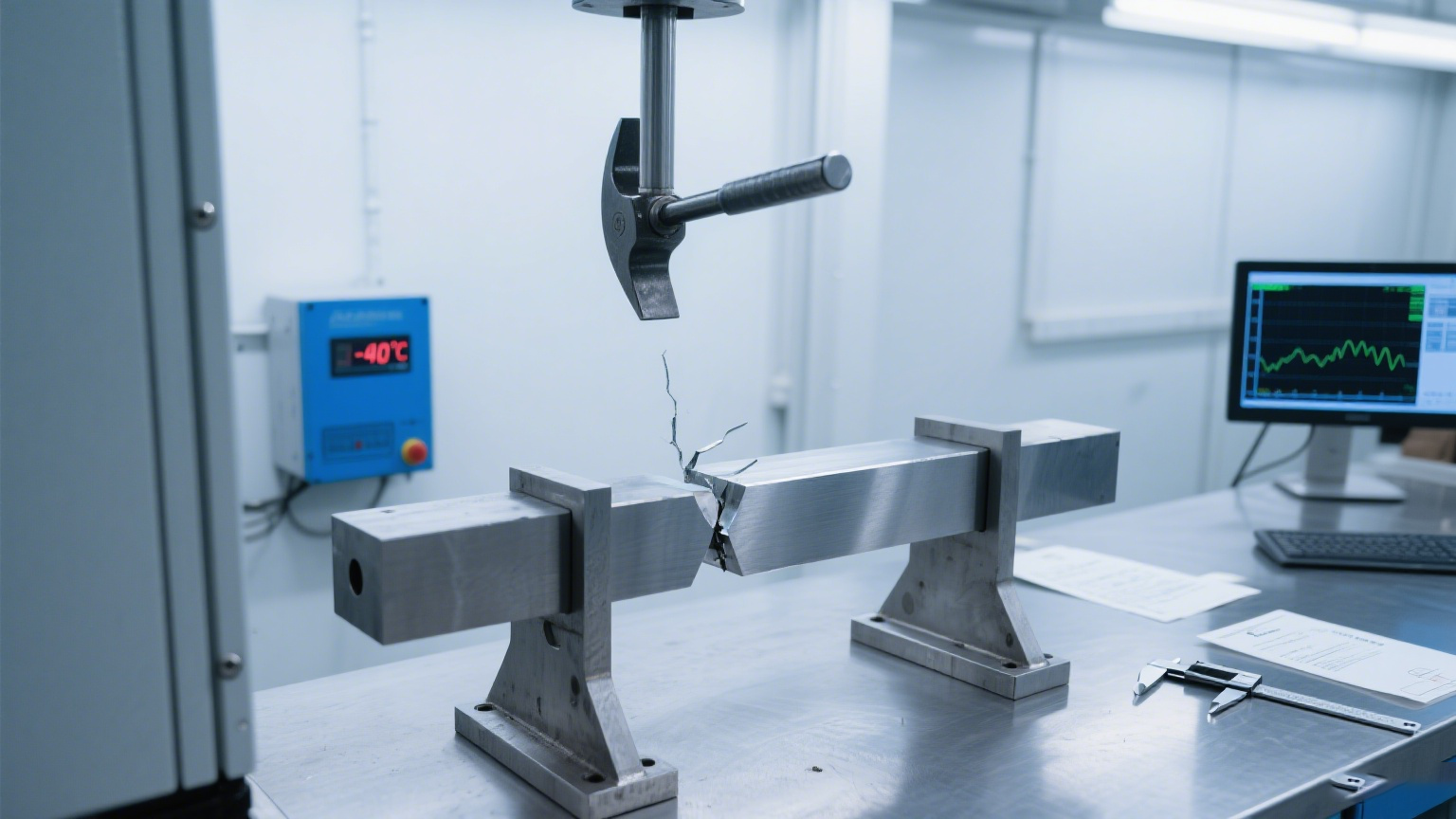
 Charpy impact testThe Charpy impact test is a test used to determine the notch sensitivity (toughness) of metal materials. It mainly evaluates the toughness and energy absorption capacity of materials under instantaneous impact loads. It is generally a test method to determine the safety, reliability and effectiveness of products when subjected to external impact or action. It is mainly used for material toughness assessment, safety performance prediction, material quality control, and the research and development and improvement of new materials.
- Drop weight tear testThe drop weight tear test (DWTT) is a test method used to test the toughness of metal materials, especially pipeline steel. It is mainly used to evaluate the ability of metal materials to resist fracture when subjected to impact loads. The goal is to establish the relationship between fracture morphology and temperature. The experiment uses a drop weight or pendulum at a certain height to break the sample in a simply supported beam state at one time, and evaluate the relevant performance results.
- Metallographic experimentMetallographic testing is a method of evaluating material performance and quality by observing and analyzing the microstructure of metal materials. It is one of the important means of metal material testing and research. Through metallographic testing, we can understand the microstructure, inclusions, and grain size of the material, which has an important impact on material selection, quality assessment, and process development and optimization.
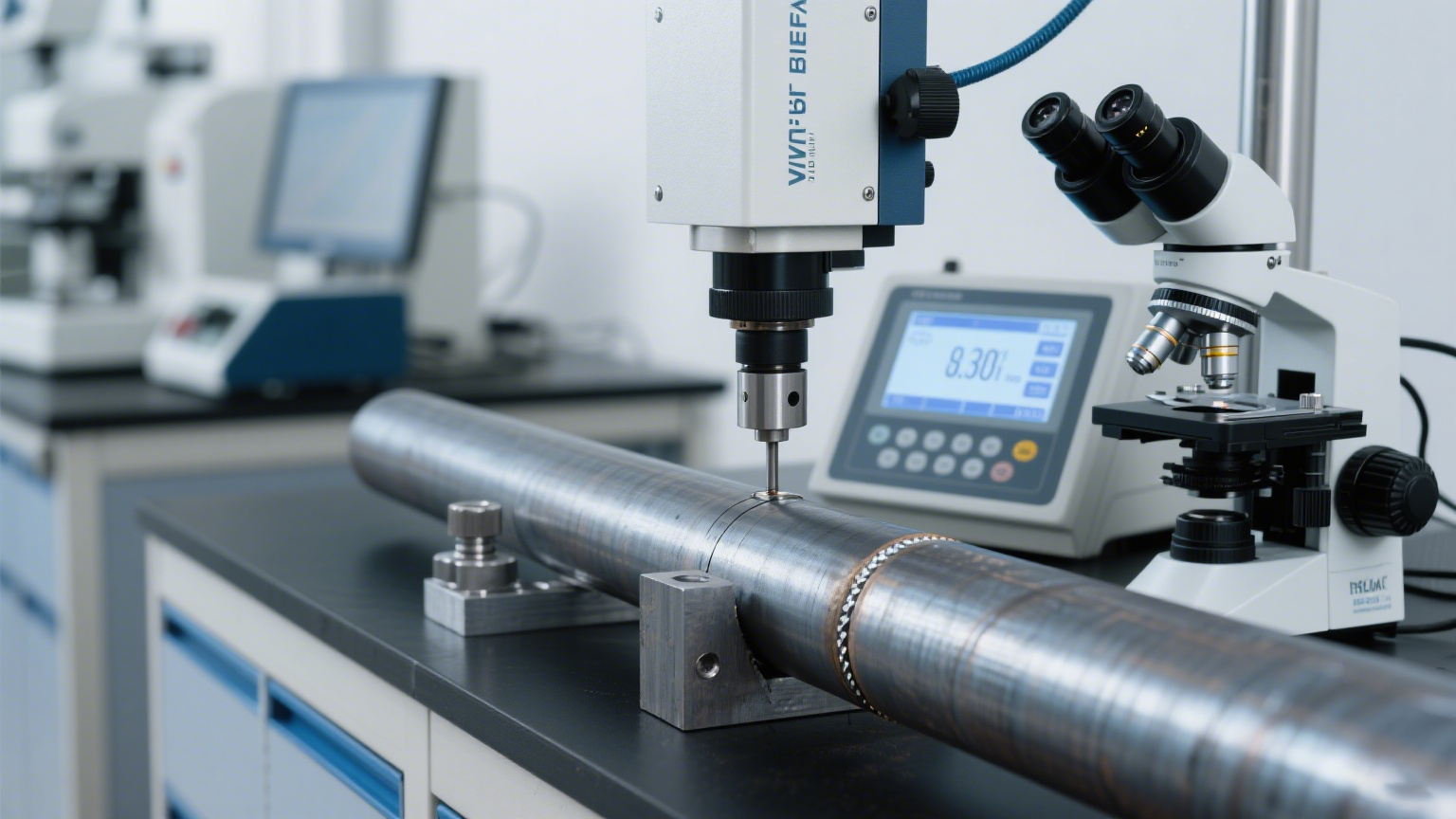
- Vickers hardness testVickers hardness test is a commonly used method to evaluate local microhardness in pipelines. By testing the microhardness of the steel pipe body, weld and heat-affected zone, the welding and heat treatment process of the steel pipe is evaluated, thus providing a basis for quality control and process optimization.

Get in touch with us
Phone
+86 13752560133
+86 13752560133
lara@hanyang-steel.com
+86 13752560133